

Psychoeducational Assessments in Edmonton for Children & Teens
Big Questions? We Help You Get Clear Answers.
Psychoeducational Assessments in Edmonton for Every Person.
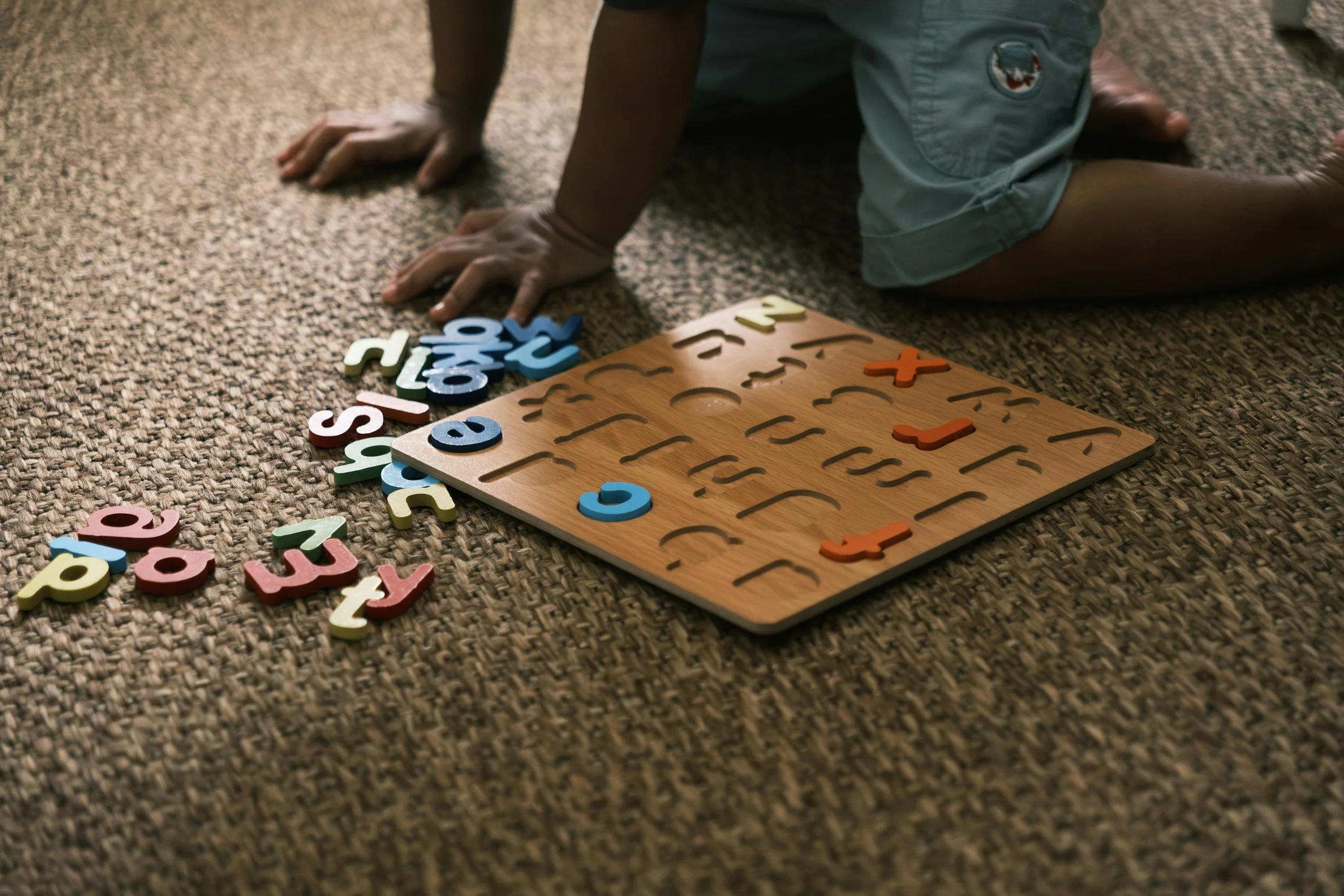
When your child is struggling in school — academically, emotionally, or socially — it can feel confusing and overwhelming. A psychoeducational assessment helps uncover how your child learns, what may be getting in the way, and what supports will help them thrive.
Our comprehensive psychoeducational assessments provide clarity, diagnosis when appropriate, and practical recommendations for home and school.
We work with children, teens, and families across Edmonton, Sherwood Park, St. Albert, Leduc, Beaumont, and surrounding Alberta communities.
What Is a Psychoeducational Assessment?

A psychological assessment is more than just testing it’s a comprehensive, child-centred process that helps us get to know how your child thinks, learns, and experiences the world. A psychoeducational assessment is a comprehensive evaluation of:
Academic achievement (reading, writing, math)
Attention & executive functioning
Emotional and behavioural functioning
This assessment helps identify:
Learning disabilities
Dyslexia or reading disorders
ADHD
Giftedness
Academic underachievement
Twice-exceptional (2e) profiles
It provides formal documentation that schools can use for IPPs, accommodations, funding, and learning supports in Alberta
Signs your child or teen may need an psychological assessment
Parents often wonder, “Is this just a phase—or something more?” If your child is struggling emotionally, academically, or socially, an assessment can provide much-needed answers and direction. Here are some signs it might be time to take the next step.
You might consider an assessment if your child:
Is struggling with reading, writing, or math
Has inconsistent academic performance
Works extremely hard but falls behind
Avoids school or homework
Appears bright but underachieves
Has attention or focus concerns
Is emotionally overwhelmed by school demands
May qualify for school accommodations or funding
Many families seek a private psychoeducational assessment in Edmonton when waitlists are long or when they want a deeper understanding than school screening provides.
What Does the Assessment Include?
No two kids are the same, and neither are the questions families bring to us. Below are the main types of assessments we offer through our Edmonton clinic. Each has a dedicated page with more information.
Step 1: Parent Intake & Clinical Interview
We gather developmental history, academic background, and concerns.
Step 2: Standardized Testing
Testing may include measures such as:
Cognitive testing (e.g., WISC-V)
Academic achievement testing (e.g., WIAT-4)
Executive function measures
Attention and behavioural rating scales
Step 3: School Input (If Applicable)
Teacher forms may be included to provide classroom perspective.
Step 4: Feedback & Recommendations
You receive:
A detailed written report
Clear diagnosis (if criteria are met)
School accommodation recommendations
Practical home strategies
Funding and support documentation (where applicable)
Why Families Choose Kin Integrated in Edmonton
Integrated team (Psychology, OT, SLP collaboration available)
Strengths-based, trauma-informed approach
Clear and parent-friendly reporting
School-ready documentation
Support navigating Alberta educational systems
We don’t just provide a report. We provide a roadmap.
FAQs: Psychoeducational Assessments
-
Most assessments involve 2–3 testing sessions plus intake and feedback. The full process typically takes 4–6 weeks from start to final report.
-
Yes. Alberta schools accept private psychological assessments completed by registered psychologists.
-
Fees vary depending on complexity. We provide transparent pricing during your consultation call.
-
Yes. If diagnostic criteria are met, formal diagnoses can be provided.
-
Some extended health plans cover psychological assessment services. We recommend checking your specific policy.
-
We typically assess children ages 6 and older. For younger children, developmental assessments may be more appropriate.